About
The Heart of the Cotton Empire
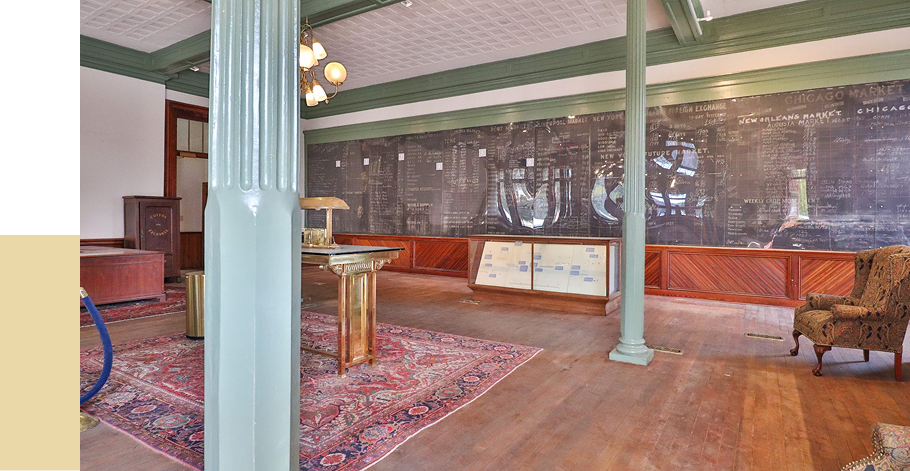
In the late 19th century, Augusta was the second largest inland cotton market in the world. The Savannah River provided the lifeblood for transportation, and the city’s fertile surroundings made it a natural hub for the “White Gold” of the South.
The Cotton Exchange building, completed in 1886, was designed by renowned architect Enoch William Brown. Its High Victorian style, featuring intricate brickwork and a distinctive clock tower, signaled Augusta’s prominence on the global economic stage.
Augusta and the Cotton Trade
The Economic Evolution of Augusta
The Rise
The Exchange
The Peak
The Market
The Role of the Cotton Exchange
Merchants
Brokers
Quality Control
Global Reach
Architecture and Preservation
The Cotton Exchange building reflects the architectural style and craftsmanship of the period in which it was constructed. With its sturdy masonry construction and historic character, the structure has remained an important part of Augusta’s downtown landscape for generations.
Over time, efforts to preserve and restore the building have helped ensure that this piece of Augusta’s commercial history continues to stand as a reminder of the city’s past while serving new purposes for the community.
The Augusta Market
A New Chapter
Augusta Market
- Every Saturday
- 9:00 AM – 2:00 PM
- Downtown Augusta, Georgia
Experience the Cotton Exchange
Visitors are invited to explore the historic Cotton Exchange and experience the energy of the Augusta Market.
Whether you’re shopping from local vendors, discovering handmade products, or simply enjoying the atmosphere of this historic landmark, the Cotton Exchange continues to serve as a gathering place for the Augusta community.